
Blame it on the RAM: Why Hardware Pricing is a Wild Ride
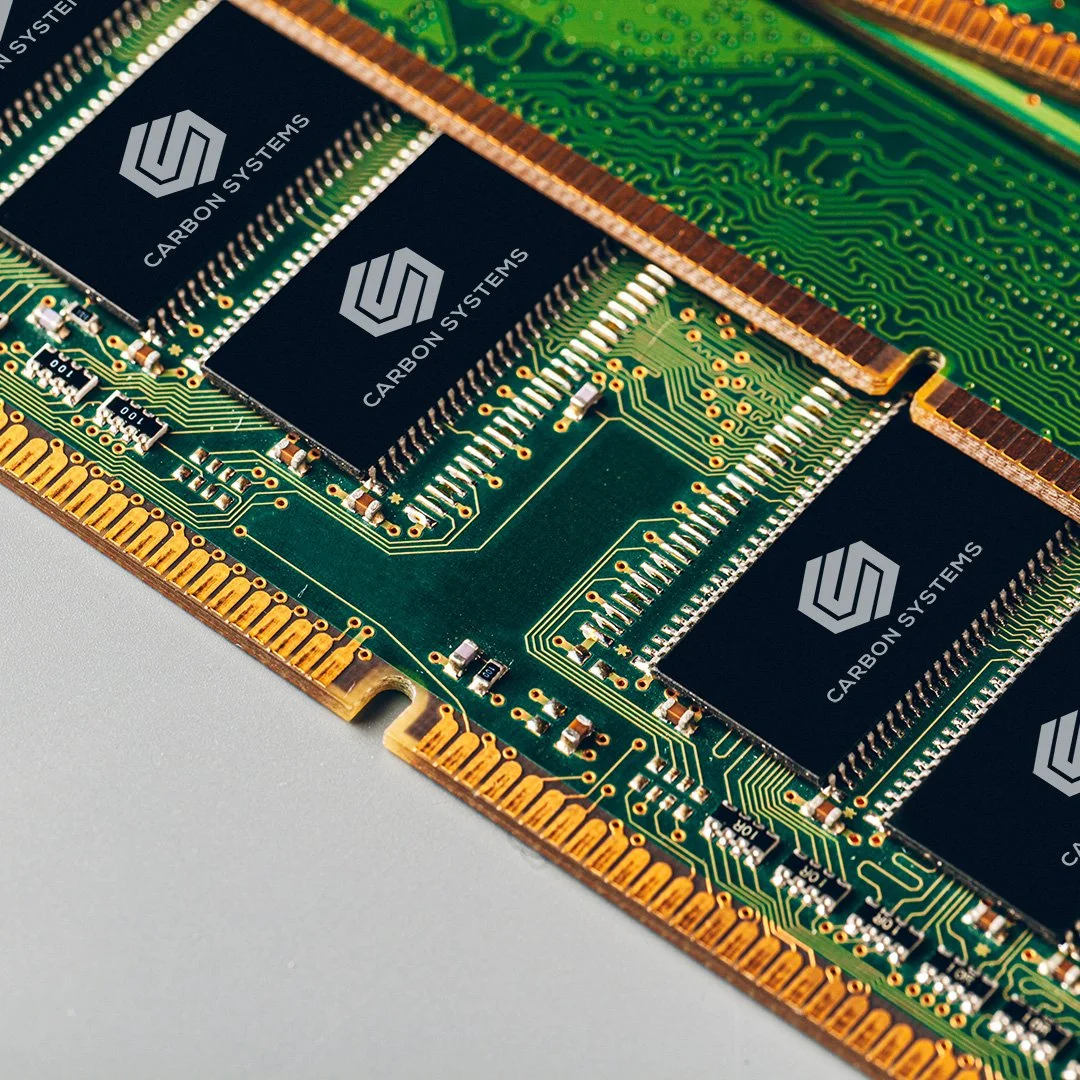
If you’ve worked in hardware long enough, you’ve seen it happen.
Quotes that looked solid last quarter suddenly need to be revised. Standard builds creep up in cost. Margins tighten, timelines stretch, and somewhere behind the scenes, memory pricing is doing what it always does: cycling.
RAM isn’t just another line item. It’s one of the most volatile components in the entire hardware ecosystem, and when it moves, it moves everything with it.
Why RAM Prices Fluctuate So Much
Unlike CPUs or GPUs, which follow relatively predictable release cycles, RAM lives in a tightly controlled supply chain dominated by a small number of manufacturers. Production shifts, fab allocations, and global demand all collide in a way that makes pricing swing faster than most components.
A few common triggers:
Increased demand from AI, cloud, or hyperscale data centers
Transitions between DDR generations (DDR4 to DDR5, for example)
Manufacturing constraints or reallocation to higher-margin products
Broader economic factors like tariffs or supply chain disruptions
When demand spikes or supply tightens, prices climb quickly. When production catches up, they fall just as fast.
What This Means for Business Hardware
RAM pricing has a ripple effect across nearly every hardware category.
System Costs Become Less Predictable
A standard business desktop or laptop might look stable on paper, but a shift in memory pricing can quietly add cost across every unit. At scale, that turns into real budget impact.
Configurations Start to Drift
When RAM prices rise, there’s a temptation to scale back configurations to hit price targets. That’s where problems start. Under-spec’d systems may save money upfront but create performance bottlenecks and support issues later.
Procurement Slows Down
In volatile pricing environments, quotes expire faster. What was accurate two weeks ago may no longer hold. This creates friction between sales, procurement, and clients.
Standardization Matters Even More
This is where disciplined hardware strategy pays off. Organizations with a defined hardware standard handle pricing volatility far better than those building every quote from scratch.
The Strategic Response
You can’t control RAM pricing, but you can reduce how much it disrupts your business.
Planning refresh cycles ahead of time helps avoid buying during pricing spikes. Maintaining a curated set of approved hardware keeps procurement consistent and prevents constant last-minute reconfiguration. And resisting the urge to aggressively downgrade specs often saves money long term.
This is also where experienced hardware partners make a difference. Vendors that actively monitor component trends and and build pricing models around them can help smooth out at least some of the chaos.
The Bigger Picture
RAM pricing is a reminder that hardware isn’t static. It’s part of a global system with its own rhythms, pressures, and surprises.
The organizations that win aren’t the ones chasing the lowest price in the moment. They’re the ones building strategies that hold steady when the market doesn’t.
Because in hardware, consistency beats reaction every time.
Frequently Asked Questions
Why Are Business Computer Prices Going Up?
Business computer prices can rise for several reasons, including higher component costs, supply chain disruptions, increased demand for AI-ready hardware, tariffs, and changes in memory or storage pricing. Even when the outside of a desktop or laptop looks the same, the internal components may cost more than they did a few months ago.
For MSPs, this can make client quotes harder to hold for long periods. The best approach is to set clear quote expiration dates, standardize hardware recommendations, and help clients plan replacements before pricing or availability becomes urgent.
How Can I Protect Margins When RAM Prices Rise?
MSPs can protect margins by building hardware pricing around current component trends instead of relying on old quotes or one-off configurations. When RAM prices rise, the temptation is often to absorb the difference or downgrade the build to preserve the price. Both can create problems.
A better approach is to use standardized hardware options, review pricing regularly, and explain to clients that business-class hardware is part of their long-term IT strategy, not just a line item. Consistency helps protect both margin and client experience.
Should I Reduce RAM Specs To Keep Hardware Costs Down?
In most cases, MSPs should be cautious about reducing RAM specs just to hit a lower price point. A cheaper configuration may save money upfront, but it can create performance issues, user complaints, and more support tickets later.
For business desktops and laptops, the goal should be to match the system to the workload and expected lifecycle. If a client needs Microsoft 365, cloud apps, multitasking, or AI-ready performance, under-spec’d hardware can become expensive in a different way.
How Often Should I Update Hardware Pricing For Clients?
MSPs should review hardware pricing regularly, especially when quoting desktops, laptops, servers, or larger refresh projects. Component pricing can shift quickly, so relying on old estimates can create margin problems or client frustration.
A good rule of thumb is to treat hardware quotes as time-sensitive and confirm pricing before presenting final numbers. For larger projects, MSPs should also explain that pricing may change based on availability, configuration, and market conditions. Clear communication helps avoid the dreaded “but it was cheaper last month” conversation.