
Why The Overseas Router Ban is Bigger Than Just Routers
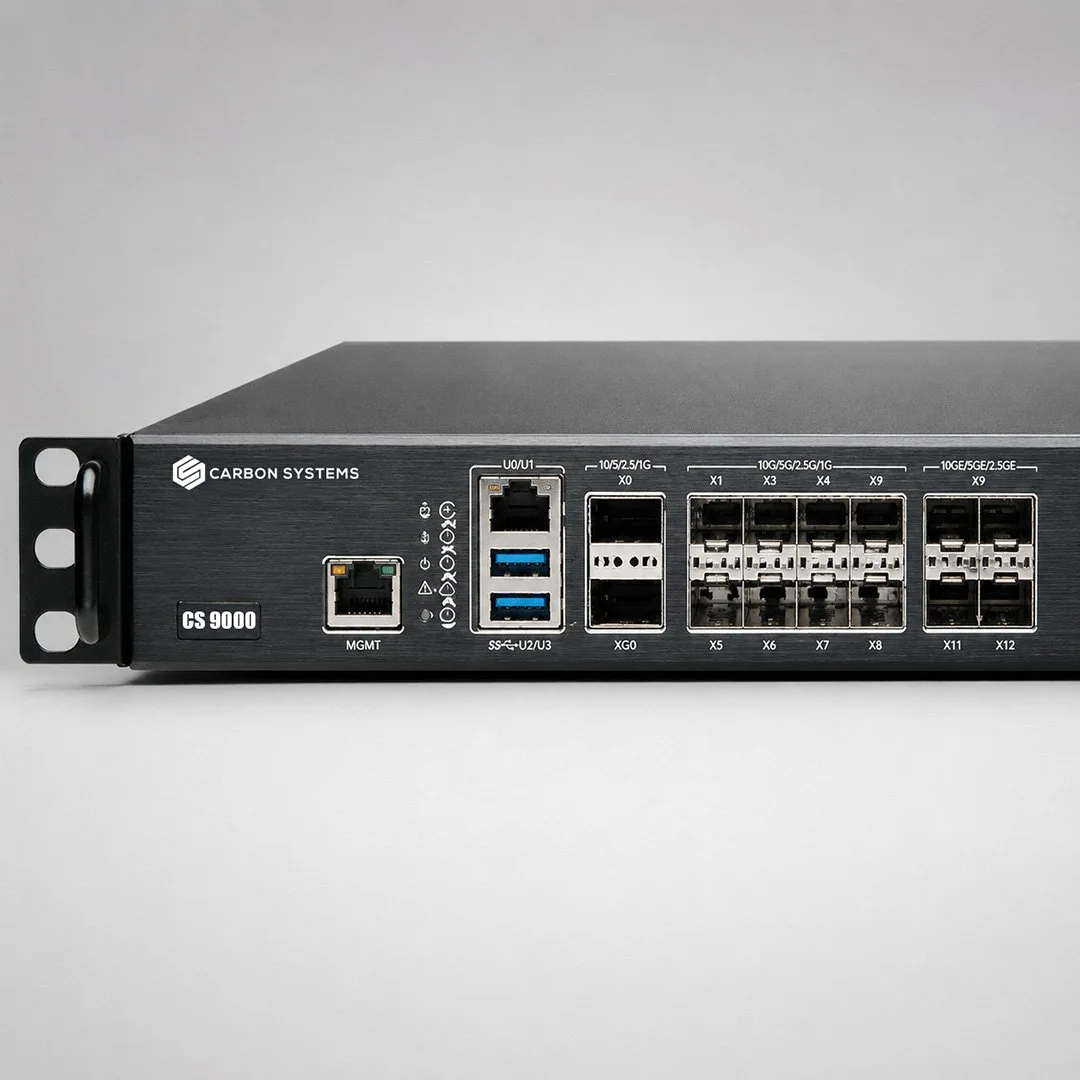
For years, routers quietly sat in the background of IT environments, doing their job with minimal attention. Today, they’ve become the center of a much larger conversation.
The U.S. government’s 2026 decision to restrict new foreign-made routers isn’t just a networking story. It’s a signal. A shift in how hardware is evaluated, sourced, and trusted across the entire IT stack.
What “Banned” Actually Means
In March 2026, the FCC added foreign-manufactured routers to its “Covered List,” effectively blocking new models from being approved, imported, or sold in the U.S. unless they pass a national security review.
This doesn’t affect routers already in use or currently approved for sale. But it does mean that future hardware entering the market faces a much higher bar.
The reasoning? National security. Regulators cited growing concerns that routers, especially those produced abroad, could be exploited for cyberattacks, surveillance, or access to sensitive infrastructure.
Whether you agree with the technical justification or not, the direction is clear: hardware origin now matters as much as hardware performance.
The Immediate Impact on Businesses
At first glance, this looks like a consumer router issue. But businesses, especially SMBs and MSPs, will feel the ripple effects quickly.
1. Fewer Hardware Choices
Most major networking brands manufacture overseas. Limiting new approvals reduces the pipeline of next-gen devices, which could slow adoption of newer standards.
2. Potential Price Increases
Supply constraints and a push toward domestic manufacturing will likely increase costs. Even small percentage increases add up when deploying at scale.
3. Procurement Friction
What used to be a quick purchase decision now requires validation. Is this model approved? Is it compliant? Is it future-proof? Hardware procurement just got more… bureaucratic.
4. Longer Lifecycle Planning
With fewer new models entering the market, businesses may hold onto existing equipment longer. That creates tension between stability and staying current.
The Bigger Story: Hardware Trust Is the New Standard
This isn’t happening in isolation. It’s part of a broader trend that’s been building for years. The U.S. has already restricted equipment from companies like Huawei and ZTE in telecom infrastructure, citing similar concerns. Now, that same scrutiny is moving downstream into everyday business hardware. Routers are just the opening act.
Expect increased attention on:
Endpoint devices (laptops, desktops, thin clients)
Supply chain transparency
Firmware integrity and update control
Where devices are built, not just how they perform
In other words, the question is shifting from, “What does this hardware do?” to “Can we trust where it came from?”
Why MSPs Quietly Win Here
If you’re an MSP, this is one of those moments that doing things the “right way” suddenly looks very smart. Teams that already maintain a curated hardware catalog, standardize across client environments and plan refresh cycles instead of reacting to them are already aligned with where the market is heading.
Because when regulation tightens, standardization stops being optional and starts being survival.
The Hidden Irony
Here’s the twist. Many security experts point out that the biggest real-world vulnerability isn’t where a router is made. It’s whether it’s updated. Outdated, unpatched devices remain the easiest entry point for attackers. So while the policy focuses on supply chain risk, the day-to-day reality remains the same. Poor patching habits, inconsistent hardware environments and aging infrastructure are still the real threats.
What Savvy Businesses Should Do Next
Instead of reacting to headlines, smart organizations will adjust their strategy:
Audit your current network hardware
Know what you have, what’s supported, and what’s nearing end of life.
Standardize your stack
Reduce variability. Fewer models = fewer surprises.
Plan procurement further ahead
Expect longer lead times and fewer last-minute options.
Work with trusted vendors
Not just for pricing, but for guidance on compliance and availability.
Final Thought: This Is a Preview, Not a One-Off
The foreign-made router ban isn’t just about routers. It’s a preview of where the entire hardware market is heading.
More scrutiny.
More regulation.
More emphasis on trust.
For businesses that rely on technology, the takeaway is simple. Hardware is no longer just infrastructure. It’s part of your security posture. And increasingly, it’s part of your strategy.
Frequently Asked Questions
How Should MSPs Evaluate Hardware Vendors After The Overseas Router Ban?
MSPs should look beyond price and basic specs when evaluating hardware vendors. The router ban highlights a larger issue: clients increasingly need to know where their hardware comes from, how it is supported, and whether it can be trusted inside a business environment.
A good vendor evaluation should include product availability, warranty support, firmware and security update practices, supply chain transparency, business-class configuration options, and whether the vendor can help standardize hardware across multiple clients. For MSPs, the safest hardware strategy is not chasing the cheapest device. It is building a repeatable, documented procurement process with trusted partners.
Does The Overseas Router Ban Mean I Need To Replace My Current Router?
Not necessarily. The ban is focused on new foreign-made router models entering the U.S. market, not routers already approved, sold, or currently in use. For most businesses, the more immediate step is not panic-replacing equipment. It is reviewing what you already have, confirming whether it is still supported, and making sure firmware updates and security patches are being applied.
The bigger takeaway is planning. If your hardware is aging, unsupported, inconsistently managed, or bought as a one-off emergency purchase, now is a good time to build a smarter refresh plan.
What Does The Router Ban Mean For Small Businesses?
For most small businesses, the router ban does not mean you need to immediately replace your existing equipment. Previously authorized routers can still be used, and the bigger impact will likely show up in future purchasing decisions, product availability, and vendor selection.
The real takeaway is that network hardware can no longer be treated like a basic office supply. Your router is the front door to your business network, which means security, firmware updates, vendor support, and sourcing all matter. Small businesses should work with their MSP or IT provider to review current hardware, confirm it is still supported, and plan future replacements through trusted business-class channels rather than buying whatever is cheapest or fastest online.