
The MSP Endpoint Standard for 2026
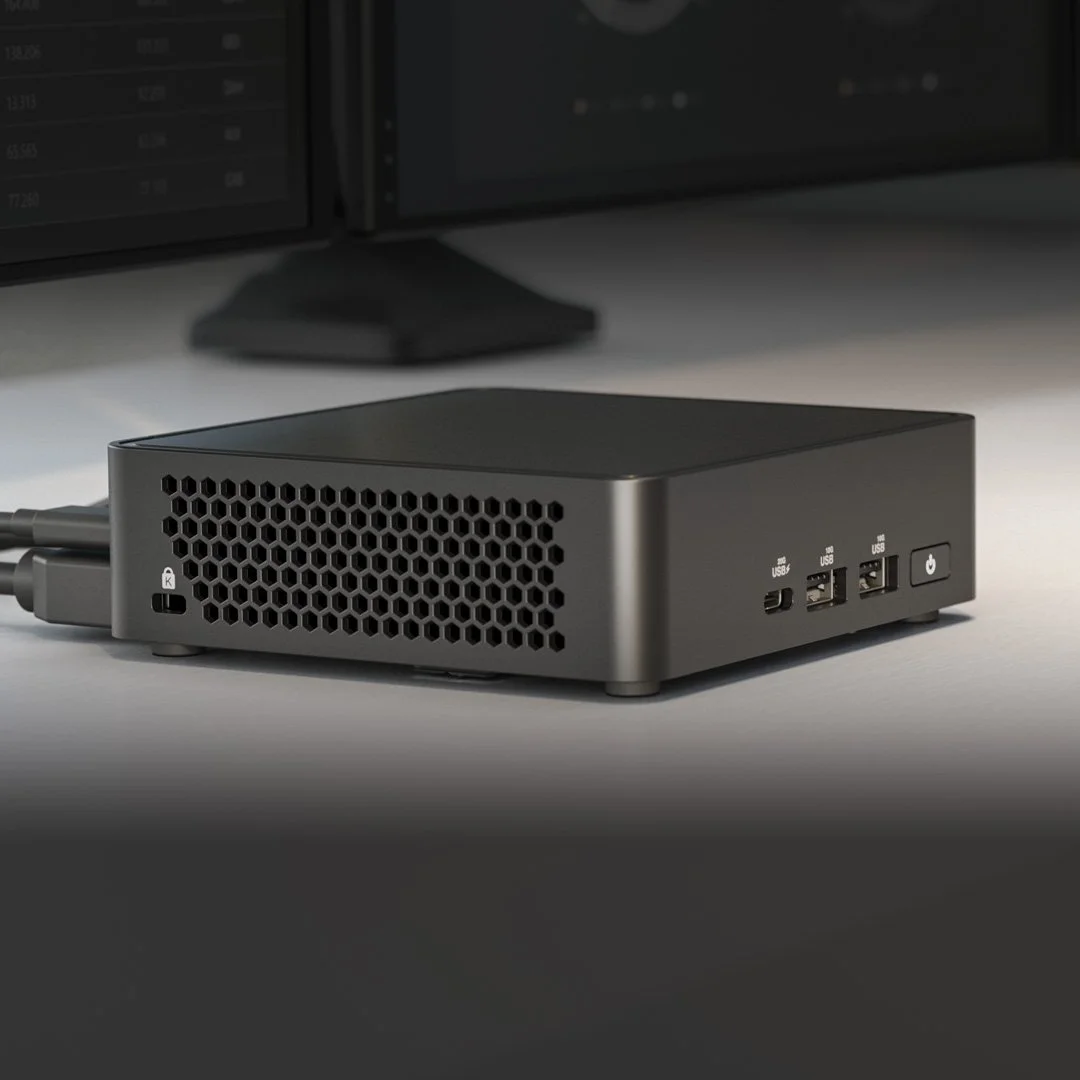
A fresh start. That’s the beauty of Q1. It’s a chance to get it right early, before bad habits and inefficiencies scale. Every smart decision made now compounds into time and money saved later.
This is the planning window. Budgets reset. Hardware standards are reviewed. Tool sprawl gets questioned. And for MSPs who want to scale without burning out their teams, Q1 is when endpoint strategy is either intentionally designed or accidentally inherited.
For 2026, one thing is clear: endpoint standardization matters more than ever. And not just any standard, but one optimized for time savings, not theoretical performance gains or short-term cost reductions.
Why Endpoint Standardization Is the Real MSP Differentiator
Most MSPs agree, in theory, that standardization is good. In practice, many still allow endpoint decisions to be driven by client preference, availability, or price shopping.
That’s understandable. But it’s also expensive.
Every deviation from a standard endpoint creates hidden operational costs:
Longer provisioning times
More troubleshooting variables
Inconsistent driver and firmware behavior
Slower onboarding of new technicians
Documentation that ages poorly
Specs and price points feel concrete. Time loss does not. Yet time is the one resource MSPs cannot replenish. Standardization helps turns endpoints from “devices you support” into infrastructure you can rely on.
The Real ROI of Reliable Endpoints: Time
MSPs typically assess endpoints by looking at CPU generation, RAM, storage options, and unit cost. Those factors matter. But they’re not where the real return comes from.
The primary ROI of a standardized, reliable endpoint platform is time saved across the entire lifecycle.
Consider where time is gained when endpoints behave predictably:
Faster imaging and deployment
Fewer post-deployment tickets
Reduced troubleshooting guesswork
Quicker root cause analysis
Less escalation to senior engineers
Easier replacement and lifecycle planning
Multiply these savings by dozens or hundreds of endpoints, and the impact compounds quickly. This is how savvy MSPs protect margins without raising prices or overworking staff.
The 2026 Standard Platform: ASUS NUCs
For 2026, a growing number of MSPs are aligning on ASUS NUCs as their endpoint standard.
Why ASUS NUC?
ASUS NUC devices are built for business environments where reliability and consistency matter. Key advantages MSPs value:
Compact, standardized form factor
Consistent component sourcing
Strong thermal and power efficiency
Easy deployment for office and home users
Ideal for knowledge workers and hybrid roles
For many MSPs, NUCs have become the default endpoint for users who need performance without unnecessary complexity.
Standardization Is a Growth Strategy
Some MSPs worry that standardization limits flexibility or client choice. In reality, the opposite is true. A strong endpoint standard allows MSPs to:
Say “yes” faster
Quote more confidently
Onboard clients more smoothly
Scale without adding headcount
Deliver a more consistent client experience
Clients care about reliability, speed, and responsiveness. Standardization gives MSPs the operational leverage to deliver all three.
A Smart Moment to Refresh the Standard
Whether you’re refining an existing standard or setting one for the first time, this is the perfect opportunity to ask, will this make my team’s work easier and more productive six months from now?
The first quarter sets the course. Savvy MSPs know deliberate moves now will be the ones that pay off all year.
How to Choose the Right Endpoint for 2026
A short, practical framework for MSPs to standardize endpoints around deployment efficiency, predictable replacements, and long term lifecycle stability.
- Three selection criteria that matter in the real world: deploy, replace, and support ownership
- Why form factor impacts support and how mini PCs reduce install variability
- What to look for in warranty and replacement workflows that support MSP operations
- How to turn criteria into a repeatable endpoint standard for the next 3 to 5 years
